Your Gut Is Your Second Brain: The Secret to Unlocking Better Health
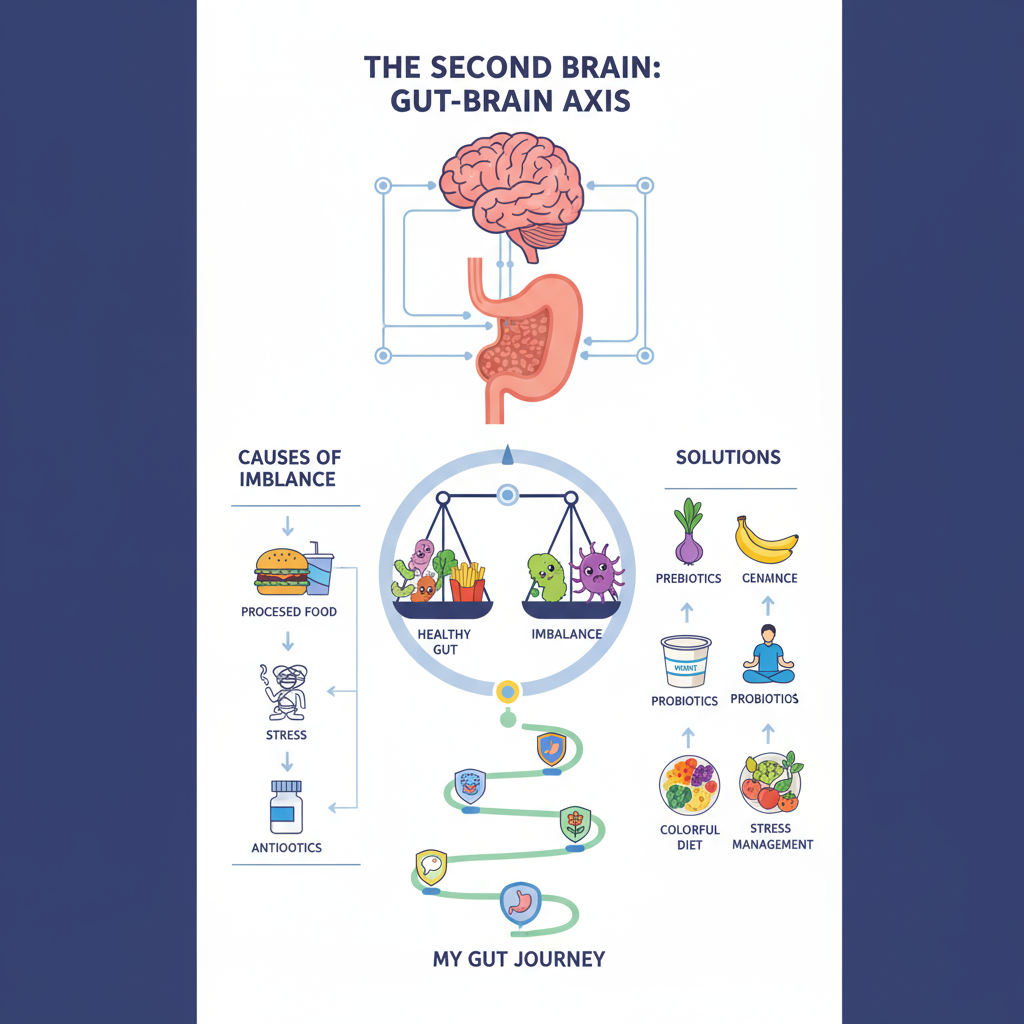
Have you ever had a "gut feeling" about something? Or felt "butterflies in your stomach" when you were nervous? These common phrases aren't just old wives' tales; they hint at a profound biological truth that science is now confirming: our gut is intricately connected to our brain and overall health. In fact, many experts now refer to the gut as our "second brain."
"All disease begins in the gut." - Hippocrates
For too long, we've thought of digestion as a simple mechanical process. But nurturing the complex ecosystem within our digestive system—the gut microbiome—is one of the most powerful things we can do to elevate our well-being, from boosting our immunity to sharpening our minds.
My Personal Journey with Gut Health
For years, I struggled with something I couldn't quite put my finger on. I felt constantly bloated, my energy levels were always low by the afternoon, and I was dealing with persistent skin issues that no cream seemed to fix. I thought I was eating relatively healthy, but I was frustrated. I blamed stress, lack of sleep, and a dozen other things, never once considering that the root of my problems might be my gut.
It wasn't until I started diving deep into nutrition science that I had my 'aha' moment. My diet, while not terrible, was full of processed foods and sugar, and lacked the diverse, fiber-rich ingredients my gut bacteria needed to thrive. It was a classic case of an imbalanced gut microbiome. This realization was a turning point. It wasn't about a radical diet; it was about nurturing my inner ecosystem. The journey wasn't overnight, but by making conscious changes, the bloating subsided, my energy returned, and even my skin started to clear up. It felt like I had unlocked a new level of health.
Why Does It Happen? The Science Behind an Unhappy Gut
Your gut is home to trillions of microorganisms, including bacteria, viruses, and fungi, collectively known as the gut microbiome. In a healthy person, these microbes live in a balanced, symbiotic relationship. The "good" bacteria help us digest food, produce essential vitamins, and protect us against disease-causing "bad" bacteria.
This delicate balance can be easily disrupted. The primary culprits include:
- A Poor Diet: A diet high in processed foods, sugar, and unhealthy fats feeds the harmful bacteria, allowing them to outnumber the beneficial ones.
- Chronic Stress: Stress can negatively impact the gut lining and reduce blood flow to your digestive system, altering the environment for your microbes.
- Lack of Sleep: Poor sleep patterns have been shown to negatively affect the diversity of your gut microbiome.
- Overuse of Antibiotics: While necessary at times, antibiotics can wipe out both good and bad bacteria, disrupting the gut's delicate balance.
When this imbalance occurs, it can lead to inflammation and a condition known as "leaky gut," where the gut lining becomes permeable. This allows undigested food particles and toxins to enter the bloodstream, triggering an immune response that can manifest as bloating, fatigue, skin problems, food sensitivities, and even mood swings.
"The gut is the gateway to health. If you're not healthy in the gut, you're not healthy." - Dr. Mark Hyman
The Solution: How to Heal Your Gut and Reclaim Your Health
The good news is that you have the power to restore balance to your gut microbiome. The changes are simple, sustainable, and centered around nutrition.
1. Feed the Good Guys with Prebiotics:
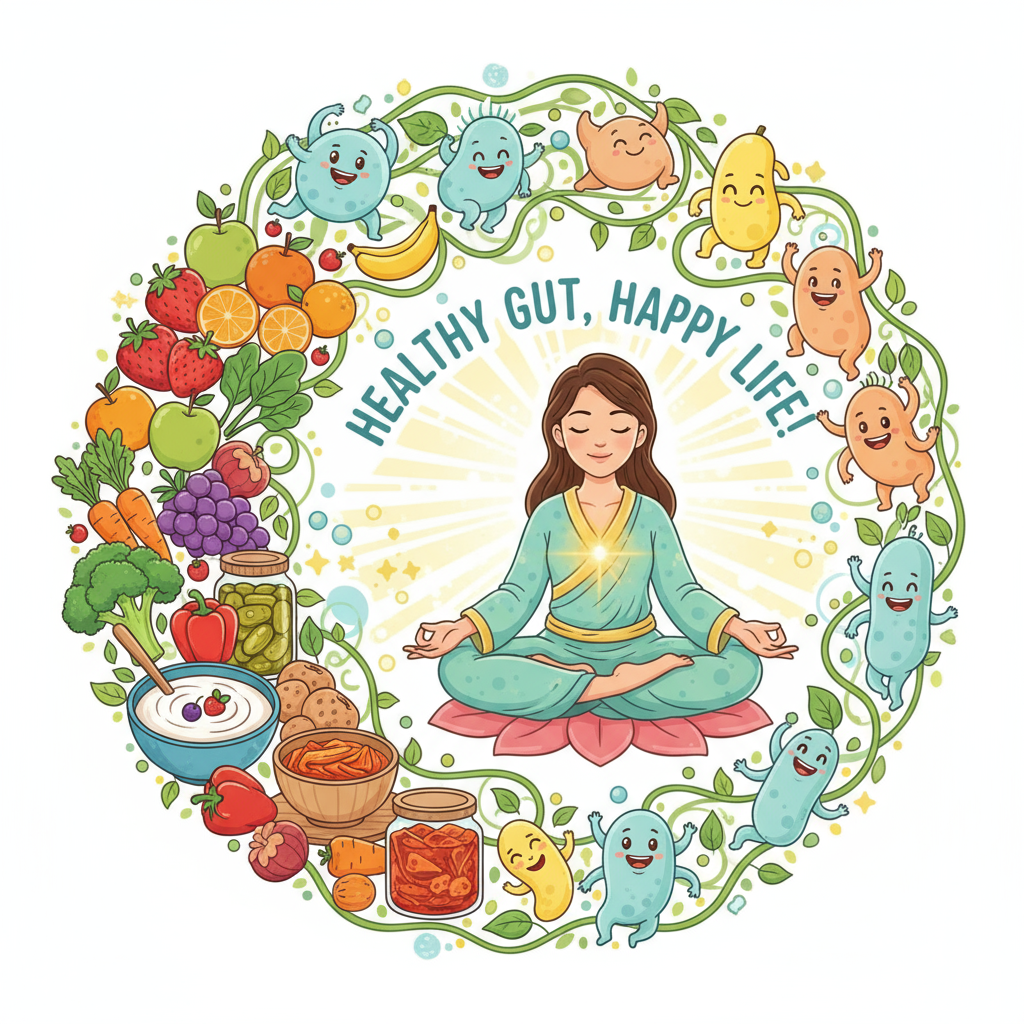
Prebiotics are types of dietary fiber that your good bacteria love to eat. They act as a fertilizer for your inner garden. Include more prebiotic-rich foods in your diet, such as:
- Garlic, onions, and leeks
- Bananas (especially when slightly green)
- Oats and barley
- Apples
- Legumes like lentils and chickpeas
2. Introduce Reinforcements with Probiotics:
Probiotics are live beneficial bacteria found in fermented foods. They help repopulate your gut with the good guys. Excellent sources include:
- Yogurt (Dahi) with live cultures
- Kefir, a fermented milk drink
- Kimchi and Sauerkraut (fermented vegetables)
- Kombucha, a fermented tea
3. Diversify Your Diet:
A diverse microbiome is a healthy microbiome. Instead of eating the same few foods every day, aim to "eat the rainbow." The more variety of plant-based foods you eat, the more diverse your gut bacteria will become.
4. Manage Stress and Prioritize Sleep:
Incorporate stress-reducing activities like meditation, deep breathing, or a gentle walk into your daily routine. Aim for 7-8 hours of quality sleep per night to give your gut a chance to rest and repair.
Your Journey to a Healthier Gut Starts Today
Nurturing your gut health is a journey, not a destination. By making these small, consistent changes, you are not just improving your digestion—you are investing in your long-term physical and mental well-being. It's one of the most fundamental ways to fuel your body and nourish your life.
What is one small change you can make this week to support your gut health? Share your thoughts in the comments below!
Comments
Post a Comment